
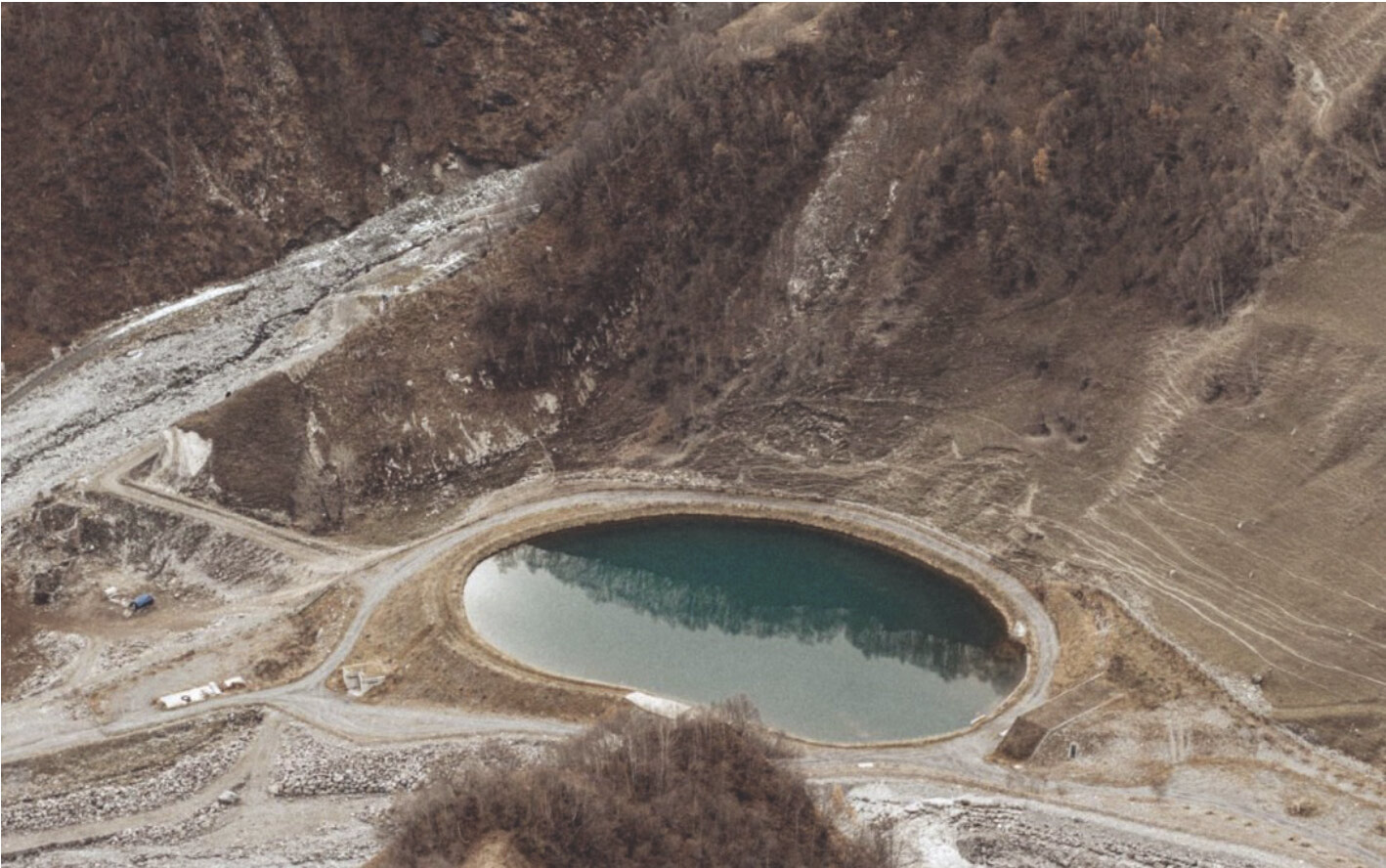
A dead provincial bill that would have let Quebec fast-track major projects past local rules is still drawing fire in the Outaouais township of Low, where the fight over who controls development on local land has outlasted the legislation itself. Photo: Courtesy of the Municipality of Low
Why a small Outaouais township is still fighting a bill Quebec already abandoned
Tashi Farmilo
Weeks after Quebec's fast-track law collapsed in the National Assembly, the township of Low, in the Vallée-de-la-Gatineau, is still fighting it. Mayor Patrick Beaudry added his voice on June 25 to a Fédération québécoise des municipalités (FQM) drive urging councils across the province to pass resolutions defending their autonomy.
The bill is dead. The threat it raised, in Low's view, is not.
The law was Bill 5. Finance Minister Eric Girard tabled it last December, seeking power to rewrite as many as 32 laws to push a handful of large projects through a single authorization that would let a promoter proceed without the permits normally required under several statutes, including those municipalities control. After February hearings and a study that dragged into June, it died on the order paper at session's end, with Girard blaming Québec solidaire for stalling it.
Industry wanted it. The Association minière du Québec said the province badly needed more predictable approvals, noting Quebec had slid from fifth to twenty-second in a single year on a widely cited ranking of the world's mining jurisdictions. Municipalities, environmental groups and First Nations saw a power grab. The FQM, which backs faster approvals in principle, warned the bill would reduce host communities to spectators, with its president Jacques Demers arguing that municipalities are local governments answerable to their residents, not bodies that exist to rubber-stamp decisions made elsewhere. Critics added that the bill could authorize projects inside national parks and weaken environmental review, and the Assembly of First Nations Quebec-Labrador, through chief Francis Verreault-Paul, told MNAs it treated Indigenous rights as optional.
Low's stake is concrete. The region sits on graphite, a mineral Quebec calls critical and strategic, and it has spent years resisting an exploration rush. In 2024 Quebec withdrew its support from the La Loutre graphite project near Duhamel, citing a lack of social acceptability. But that was a policy call, not a legal wall, and Lomiko Metals still holds exploration claims covering roughly a fifth of Low. A single authorization of the kind Bill 5 envisioned is precisely the sort of tool that could override the local resistance that stopped La Loutre.
That is why a dead bill still has a pulse in the Vallée-de-la-Gatineau. Everyone agrees Quebec's approvals are too slow. The fight is over what gets lost when you speed them up, and who decides. Bill 5 is gone. The question it forced open is not.