
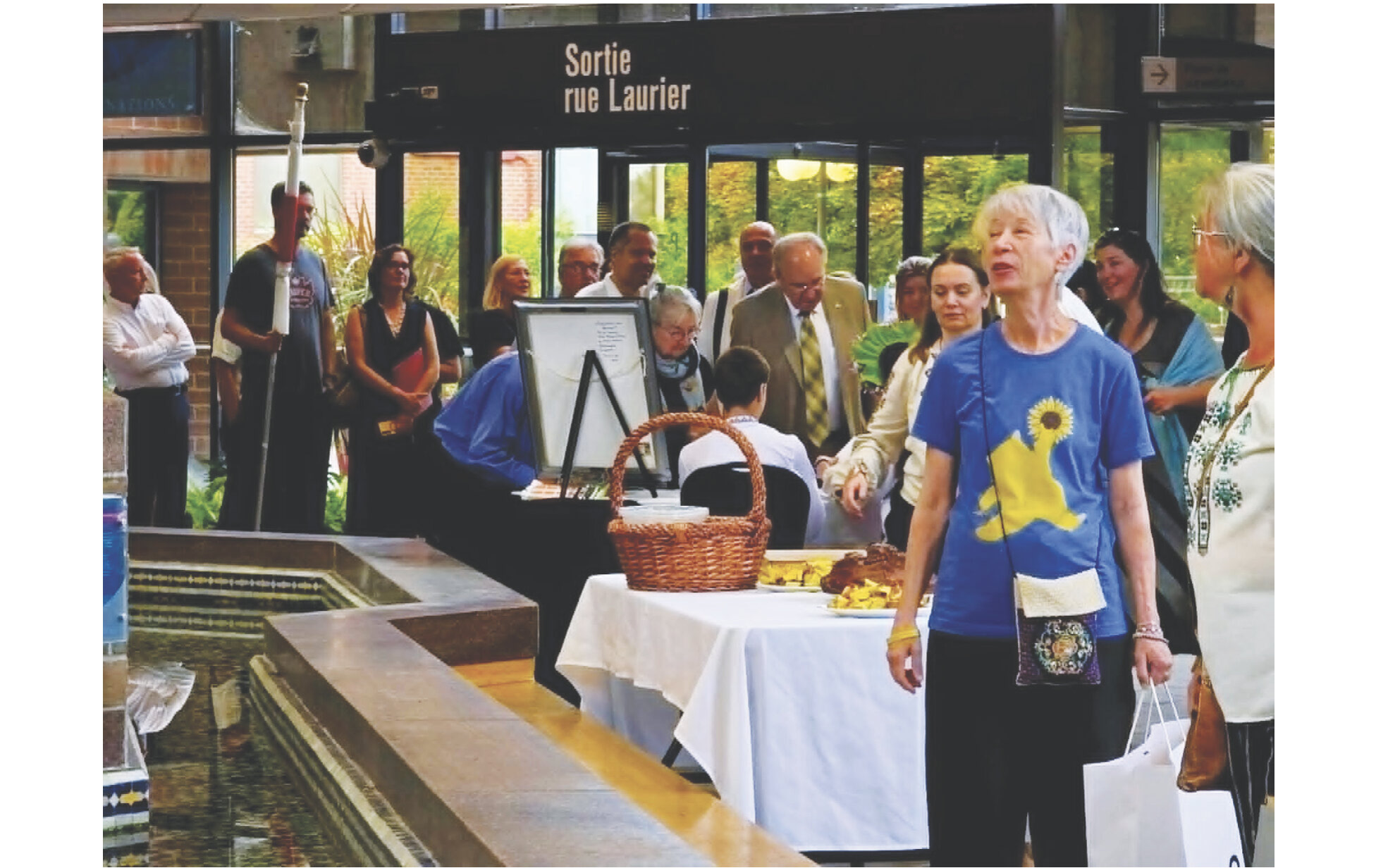
Quebec marked World Elder Abuse Awareness Day with the province's senior centres positioned as a key defence against the mistreatment of older adults, even as the only survey measuring the problem dates to 2019 and the at-risk population keeps growing. Photo: Tashi Farmilo
Quebec senior centres pitched as a front-line guard against rising and rarely measured elder abuse
Tashi Farmilo
The Quebec Association of Senior Centres (Association québécoise des centres communautaires pour aînés, or AQCCA) used World Elder Abuse Awareness Day on June 15 to make the case that community senior centres are a practical defence against the mistreatment of older adults, on the grounds that the social contact they offer counters isolation, one of the conditions in which abuse takes hold.
The appeal landed alongside a rare new measure of the problem. The province's statistics agency reported the same day that about seven percent of seniors living at home experienced some form of mistreatment in 2025, up from six percent in 2019, the last time the survey ran. The 2025 round drew on 13,355 people aged 65 and older, interviewed between February and September. In 2019, the affected share came to roughly 78,900 seniors.
That it took six years to ask again is part of the story. The 2025 survey is only the second Quebec has ever conducted, with no steady tracking in between, a thin evidence base for a problem this serious. Elder abuse is widely accepted to be undercounted, surviving on silence because it unfolds in private homes and trusted relationships where no outsider is watching, which is exactly why it has to be looked for deliberately and often. What is not measured tends not to be managed or funded, and a reading taken once every several years yields a snapshot rather than a trend, unable to show whether prevention is working or whether the situation is quietly worsening. The stakes only climb as the population ages, from one in five Quebecers aged 65 and over in 2021 to a projected one in four by 2031, widening the group most exposed to abuse even as the tool meant to track it sits idle for years. This year's theme for the day, moving beyond awareness to making prevention work, assumes the reliable data that only consistent measurement can supply.
When the data is gathered, it shows the harm usually comes from inside the circle of trust. The survey covers psychological, financial or material, physical and sexual mistreatment along with neglect, and psychological mistreatment is consistently the most common. In 2019, the people most often named as responsible for it were partners and former partners, then adult children and stepchildren, and about a third of them lived with the senior. Of those who stayed silent rather than seek help, roughly one in ten cited embarrassment or shame, or not wanting to cause trouble for the person responsible.
That silence is what the AQCCA says its centres can interrupt. More than 80,000 seniors who are independent or in a mild loss of autonomy pass through Quebec's community senior centres each year, the association says, spaces open to anyone 50 and older for connection, activities and services that help them stay in their own homes. The staff and volunteers who see the same regulars week after week are often the first to notice a change, and are placed to raise a concern, share information and point someone toward help.
Help has a dedicated line. Quebec's provincial helpline for the mistreatment of seniors and vulnerable adults, the Ligne Aide Maltraitance Adultes Aînés, runs at 1 888 489-2287, bilingual, free and confidential, seven days a week from 8 - 8pm, for anyone experiencing mistreatment, witnessing it, or simply unsure about what they are seeing. It operates alongside the government's 2022 to 2027 plan against elder mistreatment.
The day itself was built for vigilance. It began as an initiative of the International Network for the Prevention of Elder Abuse in 2006 and gained formal standing when the United Nations General Assembly set aside June 15 through a resolution adopted in 2011.
"Every senior deserves to grow old in an environment that is respectful, safe and caring," said Marie-Christine Floch, the association's president, who cast the centres as a daily counterweight to isolation and a way to reinforce the conditions that protect against abuse.